
Commercial Plastic Recycling
The commercial plastic grades that actually pay back. Grades A, B, and C explained. National reach. 40 years of market relationships.
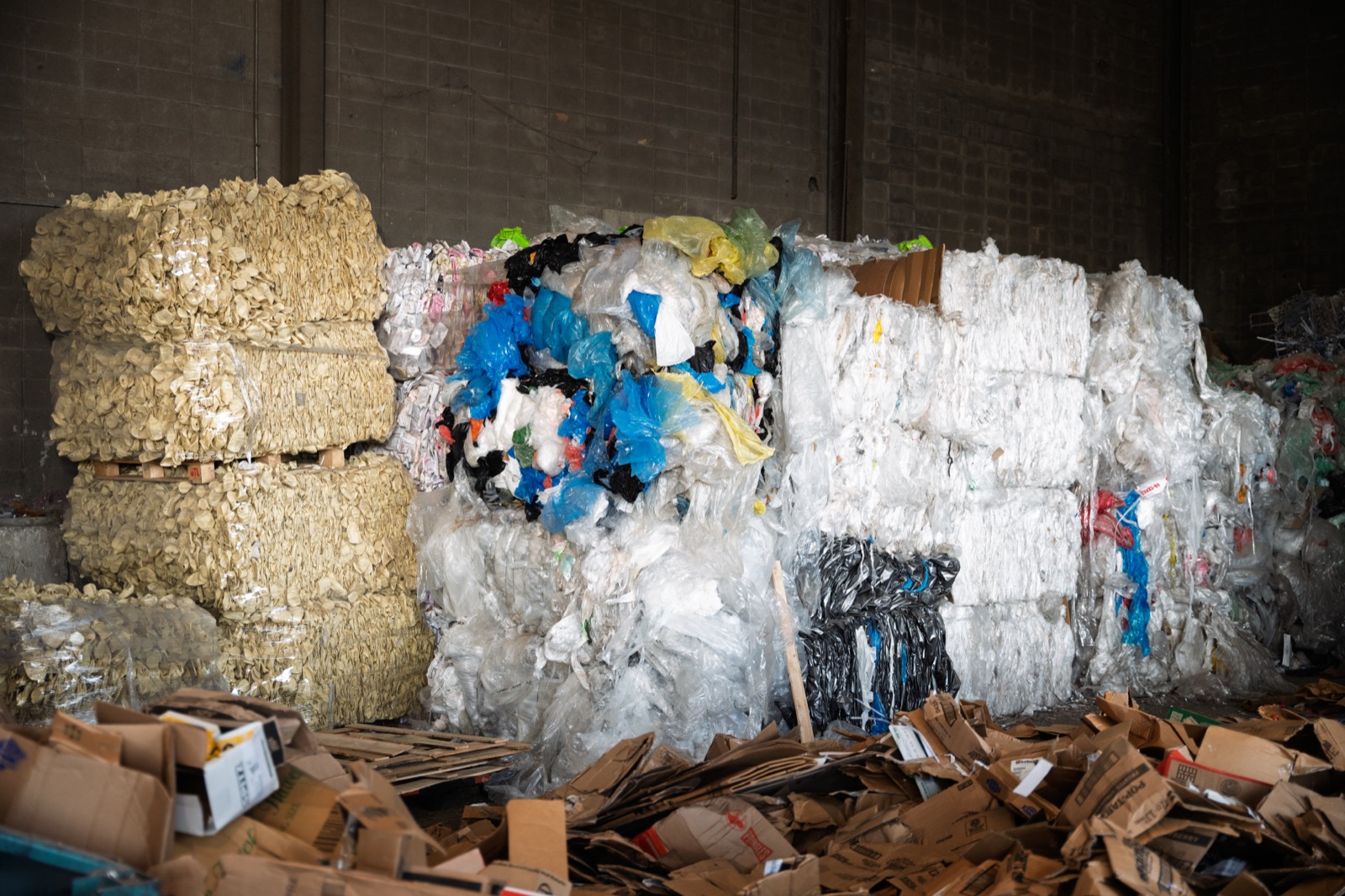
The Plastic That Actually Pays Back.
Commercial facilities generate a wide range of plastic waste, from stretch wrap and shrink film to rigid containers and industrial crates. Not every resin type is recyclable, and not every grade has market value. We will be straight with you about what does.
CRI focuses on the plastic streams that hold real market value: HDPE rigids, PET, LDPE film, PP, and select industrial plastics. With 40 years of processor and broker relationships, we place each grade with the right end-market buyer. Equipment, logistics, and market expertise are all included.
Plastic Grades A, B, and C
Plastic value comes down to cleanliness, sorting, and contamination. Here is how the industry tiers it.
Clean, sorted, and segregated by resin
Highest market value. Single resin (HDPE, PET, PP), free of contamination, color-sorted when called for. Ships mill-direct or to top-tier processors. This is where rebate dollars are biggest.
Mixed resins or minor contamination
Mid-tier value. Recyclable but harder to place. Mixed colors, minor cross-resin contamination, or films with light residue. Still earns revenue, just less than Grade A.
Heavy contamination or low-demand resins
Limited market. Multi-layer packaging, food-soiled film, mixed loads with paper or metal, or low-demand resins. Often a cost rather than revenue. CRI tells you upfront when material falls here.
The 7 Plastic Resin Types
Reference for the standard resin codes. Not every type is commercially recyclable, but knowing what you generate helps us build a smarter program.
Polyethylene Terephthalate
Soft drink bottles, water bottles, food containers
Polar fleece, fiber, tote bags, new containers
High-Density Polyethylene
Pallets, crates, buckets, detergent bottles
Pens, containers, drainage pipe, lumber
Polyvinyl Chloride
Credit cards, oil bottles, window frames, piping
Speed bumps, floor mats, garden hose
Low-Density Polyethylene
Shrink wrap, shopping bags, squeezable bottles
Shipping envelopes, floor tile, trash can liners
Polypropylene
Pallets, bins, bottle caps, yogurt containers
Signal signs, battery cables, brooms, trays
Polystyrene
Disc cases, meat trays, foam packaging, cups
Insulation, vents, rulers, license plate frames
Other / Mixed Plastics
Water bottles, gas cans, multi-layer packaging
Plastic lumber, custom applications
Plastic Recycling Across 45 States
CRI handles plastic recycling accounts in 45 US states and 4 Canadian provinces. The page below is a dedicated local resource for our home market, more are on the way.
Plastic Recycling FAQ
Common questions about CRI's commercial plastic recycling services.
Does CRI accept every type of plastic?+
What commercial plastics have the most recycling value?+
What are Grades A, B, and C?+
Can CRI handle plastic mixed with other recyclables?+
Does CRI provide containers for plastic collection?+
What happens to commercial plastic after CRI collects it?+
Want to know what your waste is worth?
Call us or request a free assessment. No contracts. No obligation.